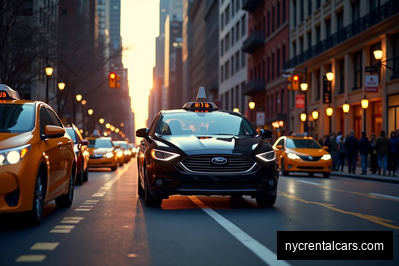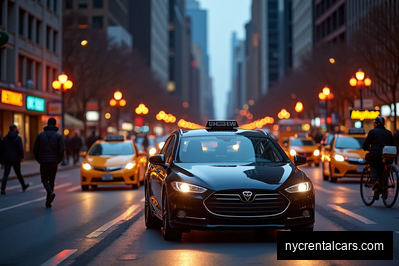
Introduction
Navigating New York City's bustling streets and avenues is akin to mastering an art form. With its densely packed traffic, pedestrians, cyclists, and the never-ending cacophony of city sounds, the Big Apple can be both exhilarating and daunting for drivers. Yet, with the right strategies and insights, moving through the city's veins can become a smoother, more predictable experience. This guide aims to arm you with comprehensive tactics, from leveraging technology to understanding the rhythm of the city, to navigate NYC traffic with ease and confidence.
Delving deeper into this urban labyrinth requires a keen eye for detail and a knack for deciphering the city's unspoken language. As you navigate the eclectic neighborhoods and iconic landmarks, each street corner unveils a new chapter in the vibrant tapestry of New York City.
Understanding NYC Traffic Patterns
The first step to mastering NYC traffic is to understand its unique patterns. The city experiences its peak traffic volumes during the morning (6 AM to 10 AM) and evening (4 PM to 7 PM) rush hours, with significant congestion on Fridays as people commence their weekend getaways. However, NYC's traffic is also heavily influenced by events, construction, and even the time of year. For instance, during the UN General Assembly in September, certain areas of Manhattan can become nearly impassable.
To navigate these patterns, savvy drivers make use of real-time traffic apps like Waze or Google Maps, which offer alternative routes and updates on traffic conditions. Additionally, understanding the less congested routes, such as using the West Side Highway or FDR Drive during certain times of the day, can save you significant time. Moreover, parking apps like Spot Hero can help you find parking spots ahead of time, reducing the stress of searching for parking in congested areas.
Apart from the notorious rush hour gridlock, NYC traffic patterns also reveal fascinating dynamics during major events like the Macy's Thanksgiving Day Parade. Understanding how these events impact traffic flow is key to navigating the city's streets efficiently.
Leveraging Public Transportation
One might wonder why a guide on navigating NYC traffic would include public transportation. The reality is that sometimes the best way to beat the traffic is to avoid it altogether. New York's public transportation system is extensive and can often be a faster, more efficient way to reach your destination. The Metropolitan Transportation Authority (MTA) offers buses, subways, and trains that connect all five boroughs and beyond, allowing you to bypass the gridlock on the roads.
Using apps like City Mapper or the MTA's own app can help you plan your journey, showing you the fastest routes and any service interruptions that might affect your trip. Additionally, for those who still prefer the comfort of a car, ride-sharing options like Uber and Lyft can sometimes offer carpool lanes, which are significantly faster during rush hours.
Leveraging public transportation not only reduces commute stress but also contributes to environmental sustainability. Take the efficient subway system in NYC, offering connectivity to major hubs and attractions, making it a smart choice for both locals and visitors.
Timing is Everything
An often-overlooked aspect of navigating NYC traffic is timing. By planning your trips around the city's traffic ebb and flow, you can avoid the worst of the congestion. For example, if possible, avoid driving in Midtown during the evening rush hour or in Lower Manhattan when there are major events in the Financial District. Additionally, consider the timing of your parking; street parking can be easier to find during certain times of the day, and many parking garages offer early bird specials.
Moreover, being aware of the city's gridlock alert days, which are announced by the Department of Transportation during the busiest traffic days of the year, can help you plan alternative routes or modes of transportation. These are typically around major holidays and large events when the city sees a significant increase in vehicles on the road.
Timing is not just crucial on the road; it plays a significant role in many aspects of life. From catching the perfect wave during a surf session to hitting the stock market at the right moment, mastering timing can lead to success in various endeavors.
Technology as a Co-Pilot
In an age where technology infiltrates every aspect of our lives, it becomes an indispensable tool in navigating NYC's streets. GPS and real-time traffic apps not only offer the fastest routes but also provide updates on accidents, construction, and traffic jams. These apps can reroute you on the fly, saving precious time and reducing frustration. Moreover, they can provide insights into the average speed on certain roads, helping you make informed decisions about your route.
In addition to navigation apps, there are tools designed specifically for NYC drivers. The Park NYC app, for instance, allows you to pay for street parking via your phone, eliminating the need for quarters or parking cards. Similarly, the EZ Pass system can save you time at tolls, allowing for smoother transitions between boroughs and states. Embracing these technologies can transform your driving experience in NYC, making it more manageable and less time-consuming.
Navigating the digital landscape, technology serves as a trusty co-pilot in enhancing productivity and efficiency. From AI-powered assistants streamlining tasks to smart navigation systems optimizing travel routes, our reliance on technology as a supportive companion continues to grow.
The Human Element
While technology offers numerous aids, successful navigation of NYC traffic also requires understanding the human element. Aggressive driving is common in the city, but maintaining calm and practicing defensive driving can prevent accidents and keep traffic moving smoothly. Furthermore, being courteous to other drivers, pedestrians, and cyclists can contribute to a more pleasant driving experience for everyone involved.
Engaging with the community can also provide unique insights into navigating the city. Local forums and social media groups often share real-time updates on traffic conditions, road closures, and parking tips. Learning from the experiences of long-time residents can offer invaluable shortcuts and advice that no app can provide.
In the bustling streets of New York City, the human element not only involves driving skills but also emotional intelligence. Understanding the non-verbal cues of fellow drivers can be just as crucial as knowing the traffic laws.
Conclusion
Navigating the bustling streets of New York City requires a blend of strategic planning, technological assistance, and an understanding of the city's unique rhythms. While the challenge of NYC traffic can seem daunting, with the right approach, it becomes a manageable part of city life. By understanding traffic patterns, leveraging public transportation, optimizing your timing, utilizing technology, and embracing the human element, you can traverse the city with greater ease and confidence.
Remember, the essence of successfully navigating NYC traffic lies in flexibility and preparedness. The city is constantly changing, and what works one day may not work the next. Stay informed, stay adaptable, and you'll find that the chaotic dance of NYC traffic can, in its own way, become part of the unique charm of living in or visiting the Big Apple.
In conclusion, mastering the art of navigating urban jungles like New York City involves more than just maps and apps. It's about understanding the rhythm of the city, knowing where to find the best local eateries, and embracing the vibrant culture that defines each neighborhood.